Wellness guide · NDIKANDIÍ
Mindful breathing before massage: a pause without pressure
An optional short reading to find a comfortable position and settle your attention.
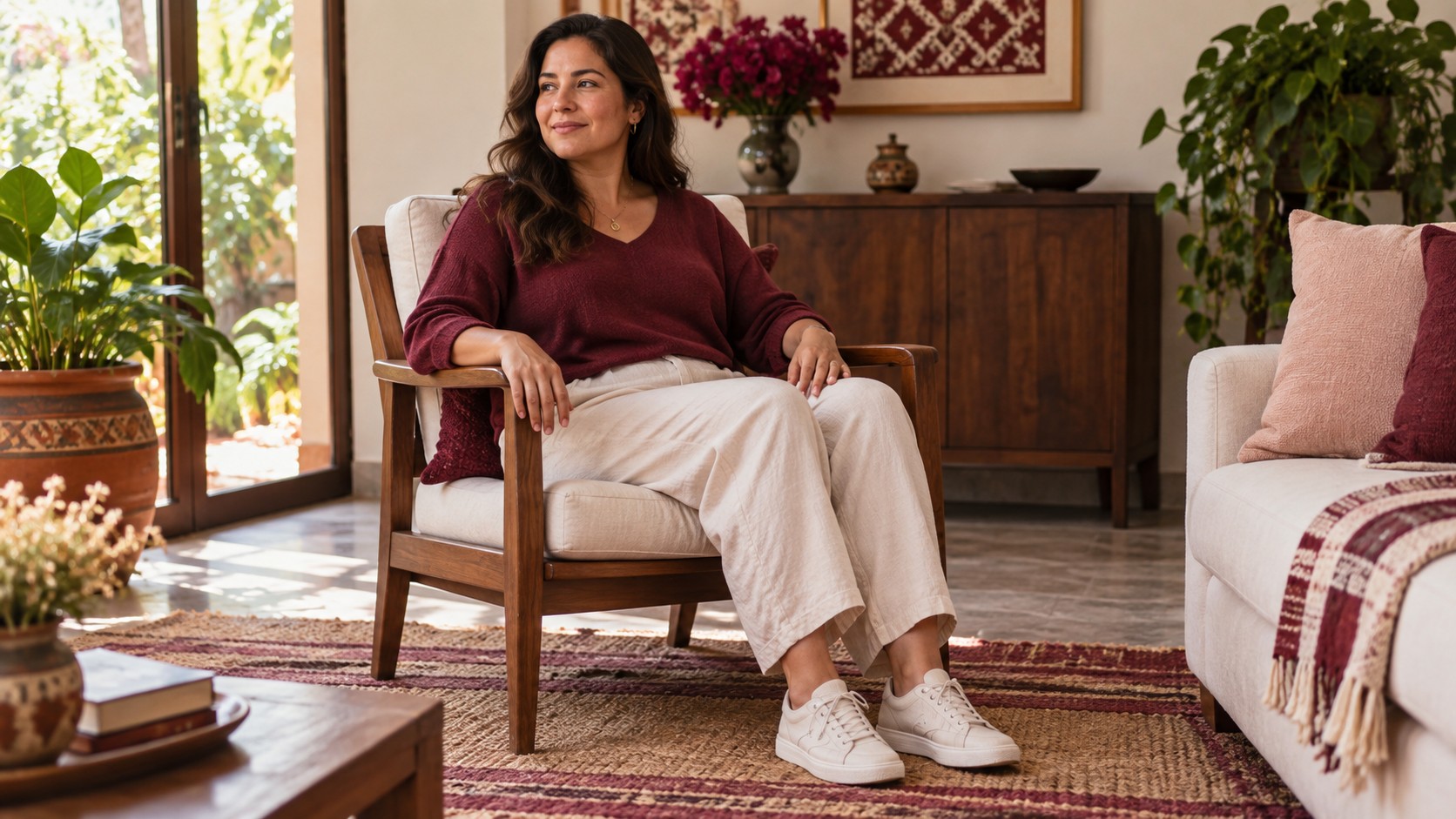
You do not need to breathe perfectly to enjoy a massage. This written practice invites you to pay attention briefly, find a comfortable position and remember that you can change your mind or stop. The practice is optional and you can follow it at your own pace.
Read it before a session or ask someone you trust to read it slowly. Choose the parts that feel comfortable and keep the option to stop.
What research supports
A 2023 trial studied structured breathing practices for five minutes daily over a month and found favourable mood and respiratory-rate outcomes, especially with an exhalation-focused protocol. Balban and colleagues. The trial used specific protocols, so its findings do not amount to clinical validation of this reading.
Before you begin
Choose a place where you can sit with support or lie comfortably. Keep your eyes open if you prefer. Do not practise while driving or doing something that requires attention. If focusing on breathing is uncomfortable, notice an object in the room instead.
The NHS breathing guide recommends a gentle, unforced approach. Here, there is no breath-holding or target count. Read the NHS exercise.

A short practice to read slowly
Notice the support of the chair or surface beneath you. Adjust any uncomfortable position. Let your hands rest wherever feels easy. Let your expression settle in whatever way feels natural.
Notice one breath in and one breath out as they happen. There is no need to make them larger. If thoughts about your day appear, acknowledge them and return to noticing the support beneath you. Nothing needs to be completed before you continue.
If it feels pleasant, stay with a few more breaths. If you would rather look around, notice a colour or shape. Keep that freedom throughout the practice. Taking part includes deciding that you do not want to continue right now.
Before finishing, consider whether you need a simple adjustment: different support, softer lighting or a conversation with the therapist. You might end by moving your hands gently and looking around again. There is no need to judge your performance; decide what you need next.
Using the practice during your appointment
If someone is reading with you, agree when to begin and when to pause. You can tell the therapist if you prefer quiet. It does not have to accompany the entire massage. Use only the beginning, skip a passage or ask for it to stop. Necessary communication with the therapist takes priority over preserving a quiet atmosphere.
You do not need to synchronise every massage movement with your breathing. Express pressure and positioning preferences normally, without feeling that you are interrupting the practice.
If it does not feel comfortable
Stop if you feel dizzy or more distressed. Return to ordinary breathing and ask for help if needed. Meditation is not comfortable for everyone; the NCCIH also reports negative experiences in research. Read its meditation information.
You can choose another way to rest. Not feeling calm after a few minutes is not a failure or a reason to push harder.
Continue according to your preferences
If you are considering a session, our massage guide explains the techniques. This practice is optional. You can enjoy massage without meditating, and the choices about listening, talking and stopping remain yours.
Sources and editorial approach
Content by Team NDIKANDIÍ to support wellbeing choices. Sources appear beside the relevant statements.
Illustrative images generated with AI.